How Often Should You Change Your RO Filter?
What the filter change schedule should look like based on Patna's water quality — a complete guide to sediment, carbon, and RO membrane filters.
Read Full Article →Useful tips, guides, and the latest updates related to Patna's water and RO purifier care — all in one place.
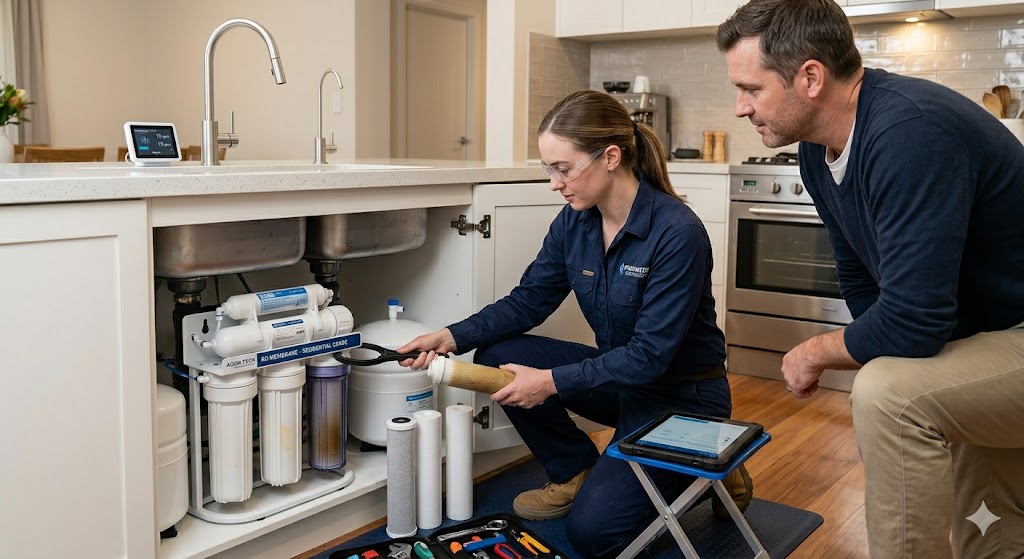
What the filter change schedule should look like based on Patna's water quality — a complete guide to sediment, carbon, and RO membrane filters.
Read Full Article →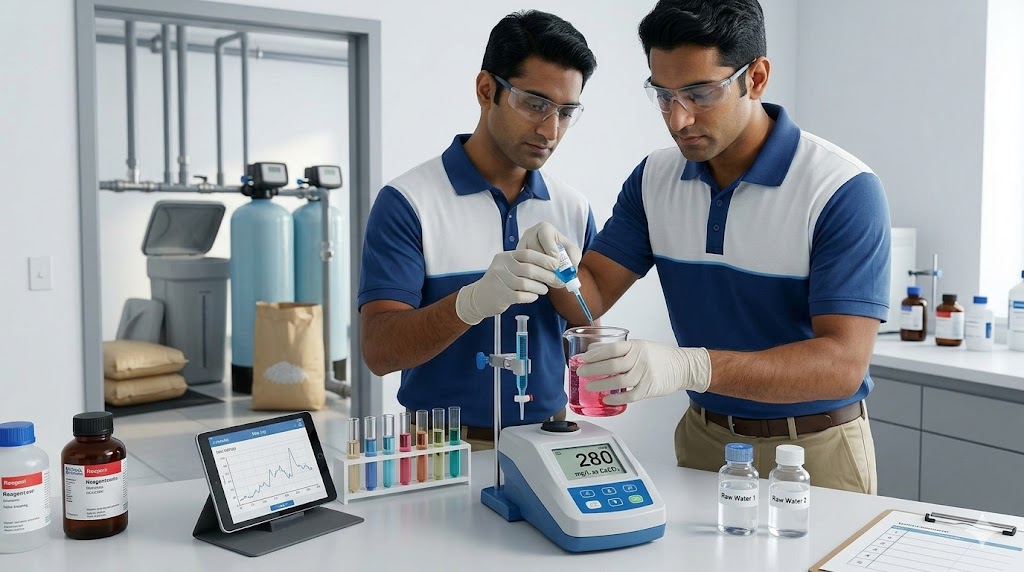
What the ideal drinking water TDS is, how safe Patna's groundwater is, and how to control TDS with an RO system.
Read Full Article →
Bad smell or taste in your water — common reasons, checks you can do at home, and when to call a technician.
Read Full Article →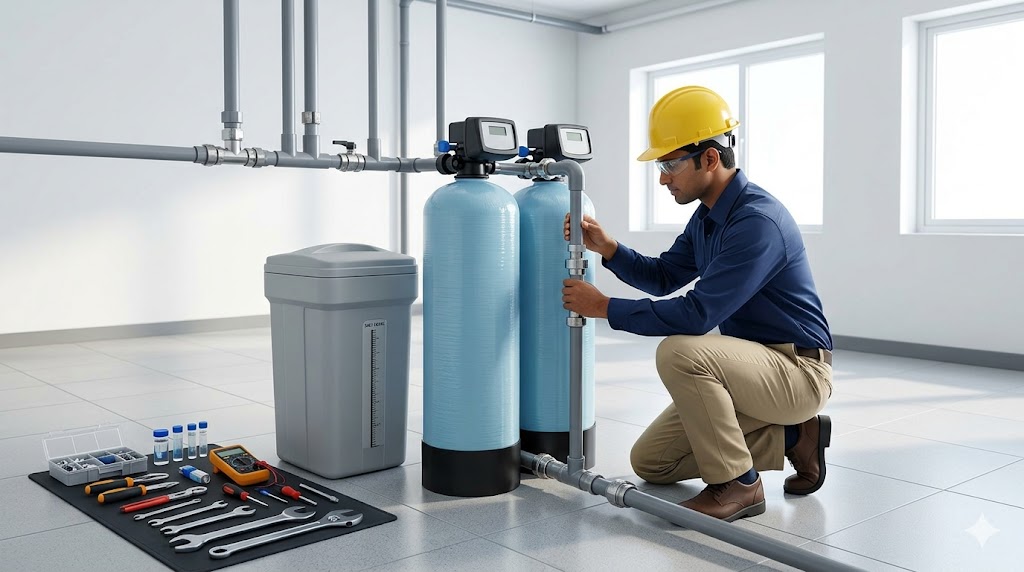
The downsides of hard water, how a water softener works, and when you should install one in your Patna home.
Read Full Article →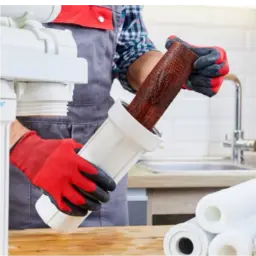
What problems can arise from skipping regular RO service, and what benefits an AMC offers.
Read Full Article →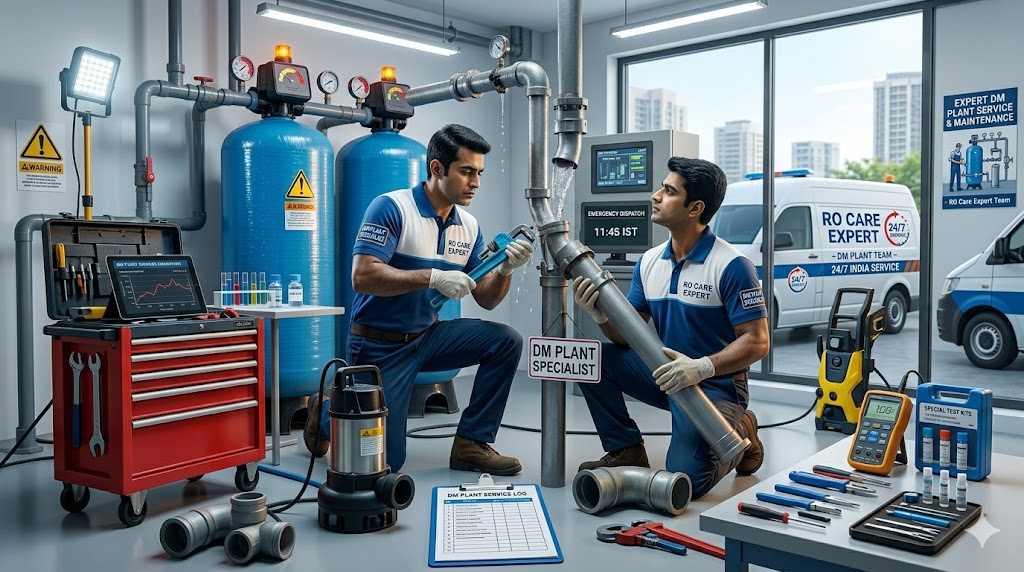
The use of demineralized water plants, their pharmaceutical and industrial applications, and the importance of maintenance through an AMC.
Read Full Article →
Installing an RO water purifier at home is just the beginning — it performs best only when its filters are changed on time. In a place like Patna, where water TDS and hardness vary from area to area, filter life varies accordingly too.
This is the first filter that removes mud, rust, and larger particles. Under normal use, it lasts 3-4 months, but if the water in your area is muddier (such as during the monsoon season), it may need to be changed every 2-3 months.
Carbon filters remove chlorine, bad smell, and taste. They typically last 4-6 months. If you start noticing a chlorine smell in your water, it's a sign that it's time to change the carbon filter.
The RO membrane is the most important and expensive part. It filters out dissolved salts, heavy metals, and bacteria. Under normal usage, it lasts 12-24 months, but in Patna's high-TDS areas, it may need replacement as early as 12-15 months.
Best practice is to get a professional routine service done every 4-6 months — this lets the technician check all the filters and recommend whatever needs to be changed.
📞 Book an RO filter check or replacement today
📞 Call: 7739692808
TDS (Total Dissolved Solids) is a measurement that indicates the quantity of dissolved minerals, salts, and impurities in water, measured in ppm (parts per million). TDS levels in Patna's groundwater can vary from area to area, so it's important to check the TDS of your water.
According to BIS (Bureau of Indian Standards), the acceptable TDS limit for drinking water is up to 500 ppm, but the ideal range is considered to be 50-150 ppm.
In many areas of Patna, groundwater TDS is between 300-600 ppm, often accompanied by iron content and hardness. This is exactly why an RO water purifier becomes almost essential for Patna homes — normal filtration cannot remove these dissolved salts.
Interestingly, very low TDS (below 50 ppm) isn't ideal either, because the water then lacks essential minerals like calcium and magnesium. Good RO systems include a TDS controller or mineralizer that adds back the necessary minerals to the final water.
Our team provides free water hardness and TDS testing service in Patna — a technician visits your home, checks your water's level with a TDS meter, and provides RO setting or filter recommendations accordingly.
💧 Contact us for free water TDS testing
📞 Call: 7739692808
If the water from your RO has suddenly started to smell or taste bad, don't worry — this is a common issue with a few specific causes, and in most cases it can be fixed with simple solutions.
If the problem persists even after these simple checks, it's a sign that the filters or membrane need replacing, or the storage tank needs a deep clean. Our team provides same-day service in Patna and identifies the exact problem with an on-spot diagnosis.
🔧 Facing a smell or taste problem with your water? Book a technician today
📞 Call: 7739692808
A water softener is a device that converts "hard water" into "soft water" — meaning it removes minerals like calcium and magnesium from the water that cause hardness.
A water softener contains resin beads that use an ion-exchange process to replace calcium and magnesium ions with sodium ions. The resin bed needs to be periodically regenerated with salt (sodium chloride) — which is why salt delivery and refill service is necessary.
If the water in your area feels "hard" (soap produces less foam, geysers scale up quickly), it's best to get a free water hardness test done. Groundwater in some areas of Patna is naturally hard, especially water coming from borewells.
A water softener periodically needs a salt refill, and a once-a-year resin bed check or replacement is recommended for best performance.
💧 For free hardness testing and water softener installation
📞 Call: 7739692808
An RO purifier isn't a "fit and forget" device — without regular servicing, it gradually loses its efficiency and safety. Here are 6 important benefits of regular RO servicing:
Changing filters on time ensures contaminants are properly removed from the water.
Old filters or membranes affect the taste and smell of water — regular servicing prevents this problem.
Regular maintenance significantly extends the life of the pump, membrane, and internal parts, saving on costly repairs later.
A healthy RO membrane is efficient and wastes less reject water compared to an old or damaged membrane.
Regular check-ups help identify small problems early, reducing the risk of sudden breakdowns.
Taking an Annual Maintenance Contract (AMC) can save you 30-40% compared to one-time service charges, plus you get priority support and scheduled visits.
📅 Learn about our AMC package — the best deal in Patna
📞 Call: 7739692808
A DM (Demineralized) Plant is a water treatment system that removes almost all dissolved minerals and ions from water, producing "pure" water with very low conductivity.
A DM plant typically has ion-exchange resin columns (cation and anion) after the RO stage, which remove the remaining dissolved ions from the water, producing extremely low TDS (near-zero) water.
DM plant resin beds need periodic regeneration and eventual replacement. In pharmaceutical and industrial setups, routine maintenance through a validated AMC is also necessary for revalidation compliance.
In industrial and pharmaceutical operations, a halt in DM water supply can affect production — which is why having 24x7 emergency DM plant repair service available is critical.
🏭 For industrial/pharmaceutical DM plant installation or an AMC
📞 Call: 7739692808